Institution: Mayo Clinic
Additional authors:Rong He, M.D.
Session: Erythroleukemia and megakaryoblastic AML and mimics
HISTORY
Patient is a 68-year-old male with no significant past medical history presented with increasing fatigue and exercise intolerance. A CBC showed cytopenias: Hgb 9.7 g/dL; RBC 3.15 x 10(12)/L; MCV 90.5 fL; RDW 15.2%; WBC 1.8 x 10(9)/L; PLT 105 x 10(9)/L. A peripheral blood smear and bone marrow biopsy were performed.
DETAILS
The peripheral blood white blood cell differential was: neutrophils 12; lymphocytes 80; monocytes 1; eosinophils 2; basophils 2; myelocytes 1; blasts 2.
The bone marrow differential was (500-cell/Unit): neutrophils (segs and bands) 14; metamyelocytes 2; myelocytes 5; eosinophils and precursors 1; blasts 11; normoblasts 51; monocytes 4; lymphocytes 10; plasma cells 2. There was over 50% erythroid precursors in the nucleated cell population and over 20% myeloblasts in the non-erythroid cell population. Peripheral blood smear and bone marrow showed dysplasia in all three cell lineages. The bone marrow biopsy was hypercellular for age (90-95%).IMMUNOHISTOCHEMISTRY AND FLOW CYTOMETRY
Iron stain showed 38% ring sideroblasts. Butyrate esterase/chloroacetate esterase showed blasts were essentially negative for butyrate esterase. This was slight increase in dual esterase-positive cells.
Flow cytometry on the bone marrow showed increased myeloid lineage blasts, approximately 10%. The blasts expressed CD13 (partial), CD33, CD117, CD34, HLA-DR (partial); they did not express CD19, CD10. There were no monotypic B-cells or increase in aberrant CD3/CD16-positive T-cells or increase in natural killer (NK)-cellsCYTOGENETIC FINDINGS
Karyotype of the bone marrow showed 44,XY,add(5)(q11.2),add(12)(p11.2),-18,-20[17]/45,idem,+8[1]/88,XXYY,add(5)(q11.2)x2,add(12)(p11.2)x2,-18,-18,-20,-20[2].
FISH showed a 5q deletion in 63% of nuclei and a 20q deletion in 77% of nuclei.MOLECULAR FINDINGS
None
INTERESTING FEATURES
Due to the complex karyotype and presence of del(5q), this is classified as AML with myelodysplasia-related changes, rather than acute erythroid leukemia (erythroid/myeloid).
PROPOSED DIAGNOSIS
AML with myelodysplasia-related changes
CONSENSUS GROUP: ADDITIONAL INFORMATION/STUDIES
The patient was treated under clinical trial, achieved complete remission, followed by allo-stem cell transplant. Still in remission at 6 months post transplant.
CONSENSUS DIAGNOSIS
Erythroid predominant myeloid neoplasm (11% blasts):
Acute erythroid leukemia, erythroid/myeloid (WHO classification) versus refractory anemia with excess blasts-2, RAEB-2| PB blast 200x | 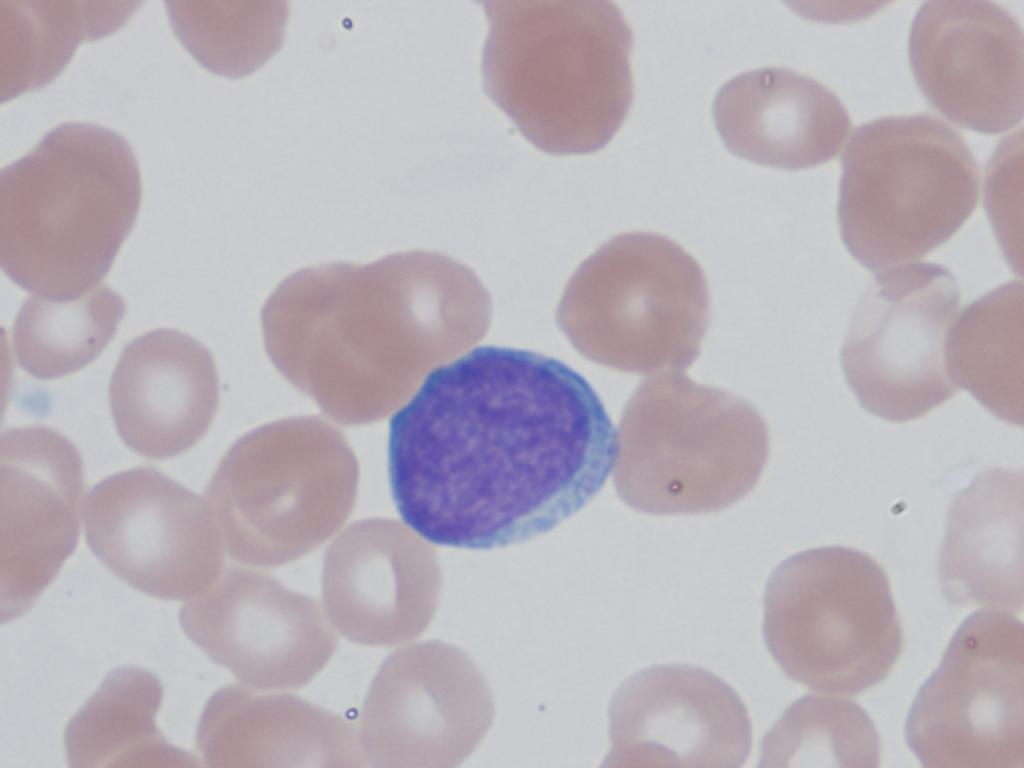 |
| PB dysplastic neutrophil 200x | 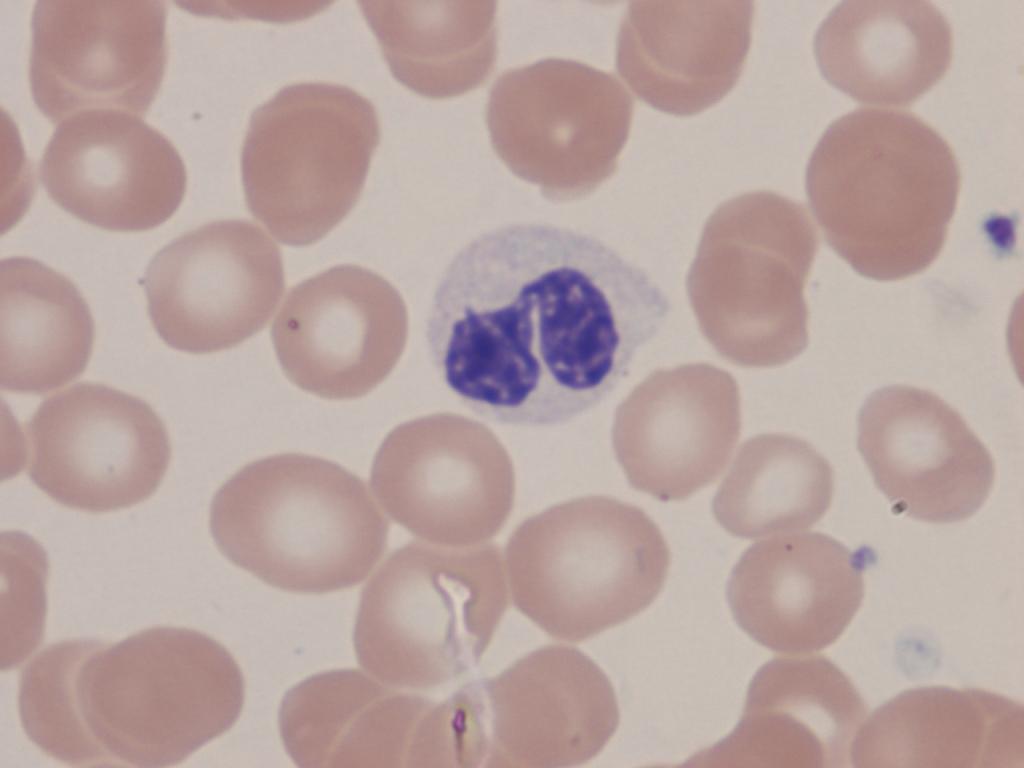 |
| PB hypogranular platelets 200x |  |
| BM asp hypercellular 10x | 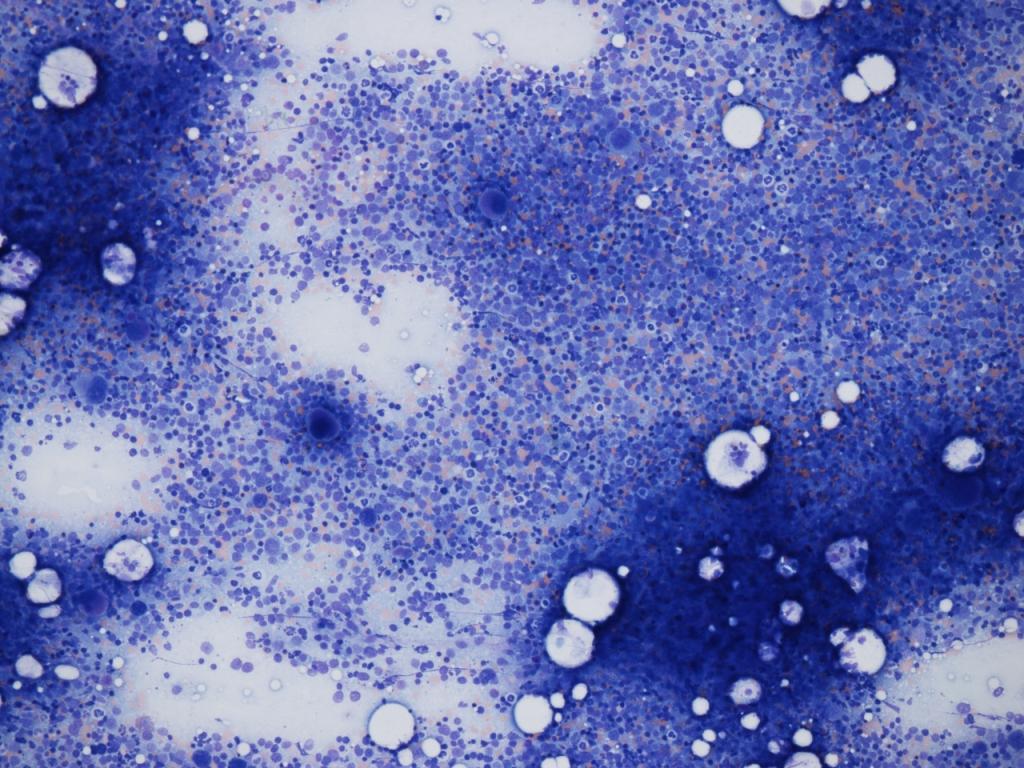 |
| BM asp dyserythropoiesis 125x |  |
| BM asp dyserythropoiesis 200x |  |
| BM asp hypogranular neutrophil 125x |  |
| BM asp small megakaryocytes 40x |  |
| BM asp blast 200x |  |
| BM bx HE hypercellular 90-95% 4x |  |
| BM bx HE 80x |  |
| BM asp iron stain ring sideroblast 200x |  |
| BM asp BE-CLE stain dual pos cell 200x |  |
| flow cytometry | 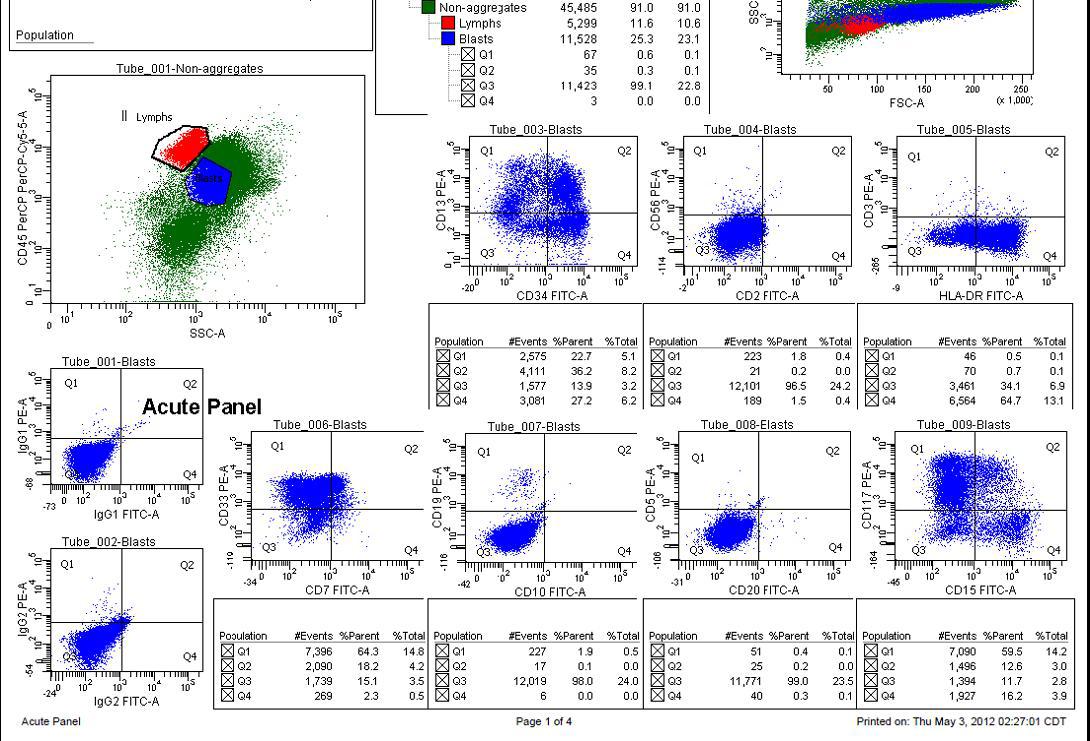 |
| karyotype | 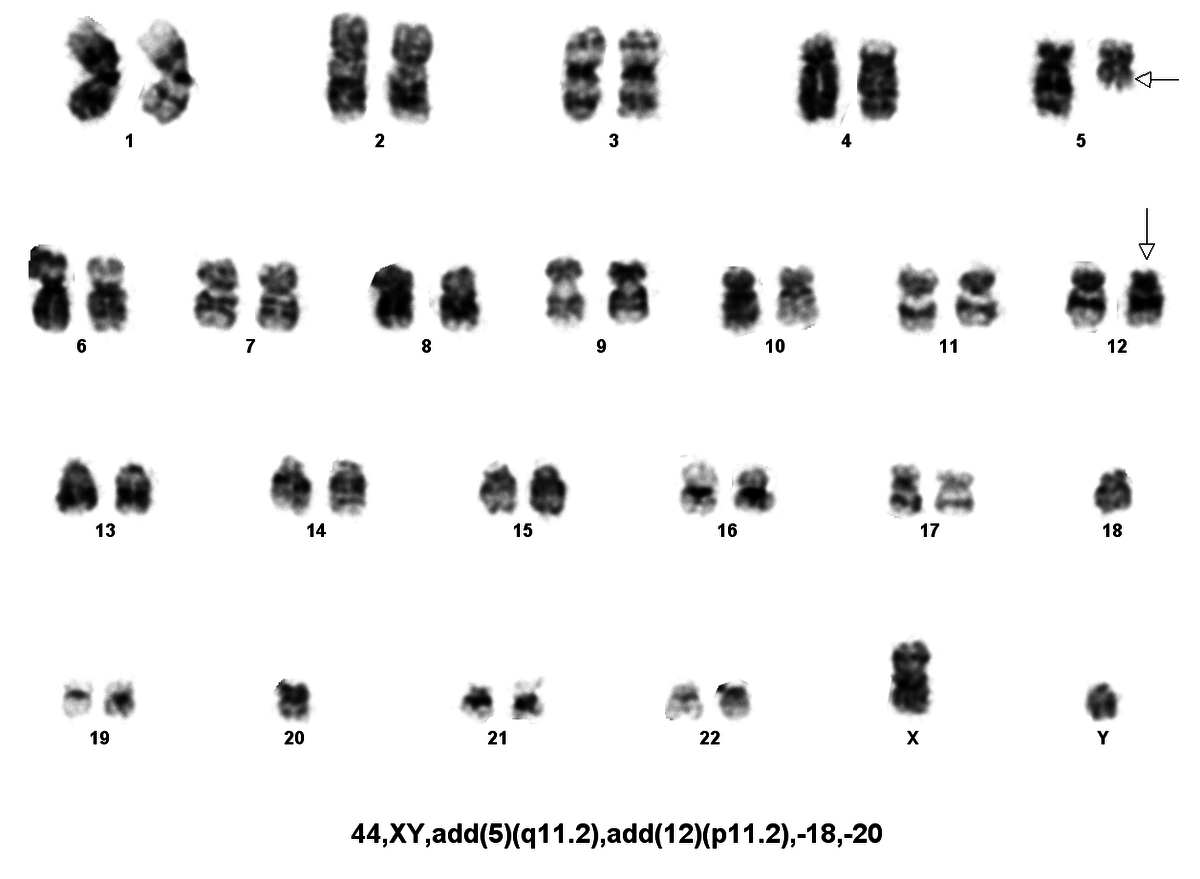 |
| FISH del 5q | 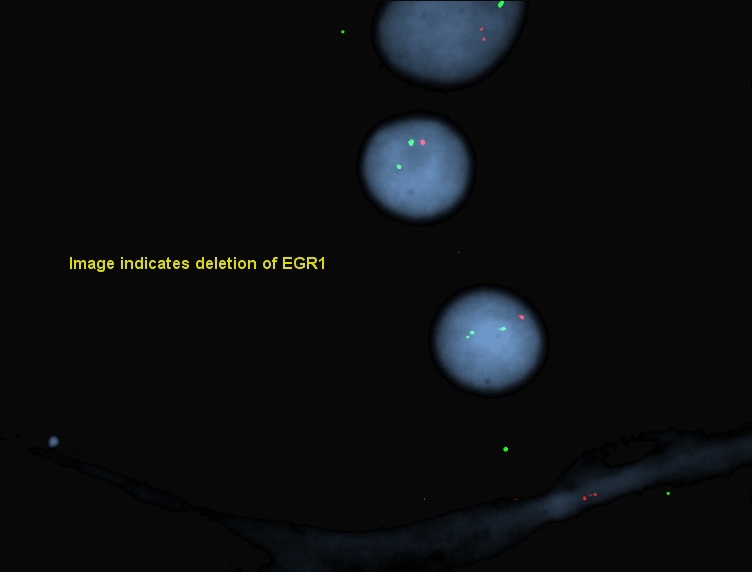 |
| FISH del 20q | 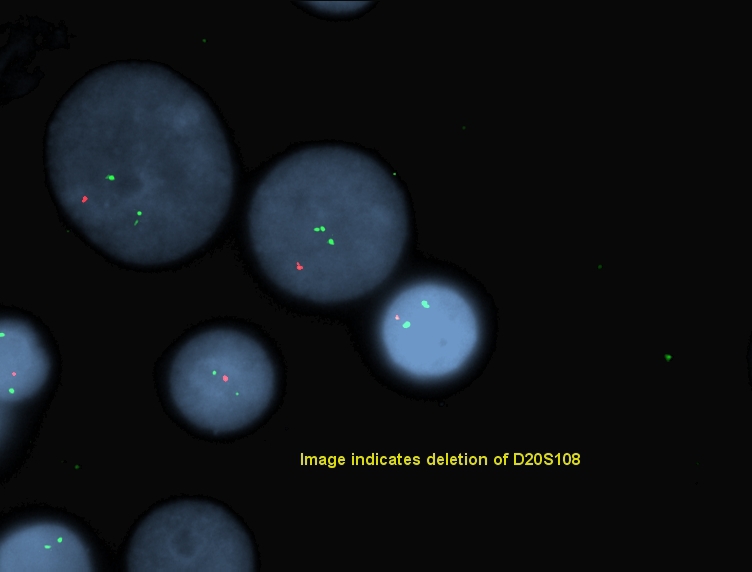 |