Institution: Geisinger Health System
Session: Erythroleukemia and megakaryoblastic AML and mimics
HISTORY
We have a patient with Down syndrome (DS) and GATA1 mutation, who developed myeloid proliferation related to DS. The baby boy was born at 35 5/7 weeks gestational age due to premature rupture of membrane. He was found to have dysmorphic features at delivery and DS was confirmed by cytogenetic study with trisomy 21 on peripheral blood and trisomy/tetrasomy 21 in bone marrow (48, XY, +21c, +21[4]/47, XY, +21c[16]). He had high white blood cell count (WBC) (43K/microliter) with blasts of 34% on screen tests of day two after birth. He was followed weekly with peripheral blood tests. On day 45 after birth, his WBC was up to 95K/microliter with blasts of 71%. The chemotherapy with low dose of Cytarabine was initiated. His WBC was normalized after 7-day chemotherapy (see Figure 1). The patient is 19 months now and doing well except a couple episodes of viral infection.
DETAILS
The peripheral blood smear on day 45 after birth showed the blasts to be medium to large in size and have high nuclear-cytoplasmic ratio, fine chromatin and basophilic cytoplasm without significant cytoplasmic granules. Some blasts had cytoplasmic blebbing (see Figure 2).
IMMUNOHISTOCHEMISTRY AND FLOW CYTOMETRY
Flow cytometry studies showed a population of blasts that were positive for CD33, CD34, CD38, CD71 and CD117. They were partially positive for CD61 and had aberrant expression of CD7. The blasts were negative for CD13, CD14, CD15, CD56, HLA-DR, cytoplasmic myeloperoxidase and TdT, as well as other T-cell and B-cell markers (Figure 3).
CYTOGENETIC FINDINGS
No other cytogenetic abnormalities except trisomy/tetrasomy 21
MOLECULAR FINDINGS
INTERESTING FEATURES
Children with Down syndrome have approximately 150-fold increased risk of myeloid leukemia compared to non-DS children. It is related to GATA1 mutation. This acute myeloid leukemia (AML) with GATA1 mutation in DS children shows better response to chemotherapy and favorable prognosis. WHO classification of tumor of hematopoietic and lymphoid tissue (2008) recognized this form of acute myeloid leukemia as a distinct type. This case shows classic pathological, immunophenotypic and clinical features of myeloid proliferation with AML related to DS.
PROPOSED DIAGNOSIS
Myeloid proliferation with AML related to DS.
CONSENSUS DIAGNOSIS
Myeloid proliferation related to Down syndrome, consistent with acute myeloid leukemia
| Figure 1. The WBC and percentage of blasts in the DS patient with AML | 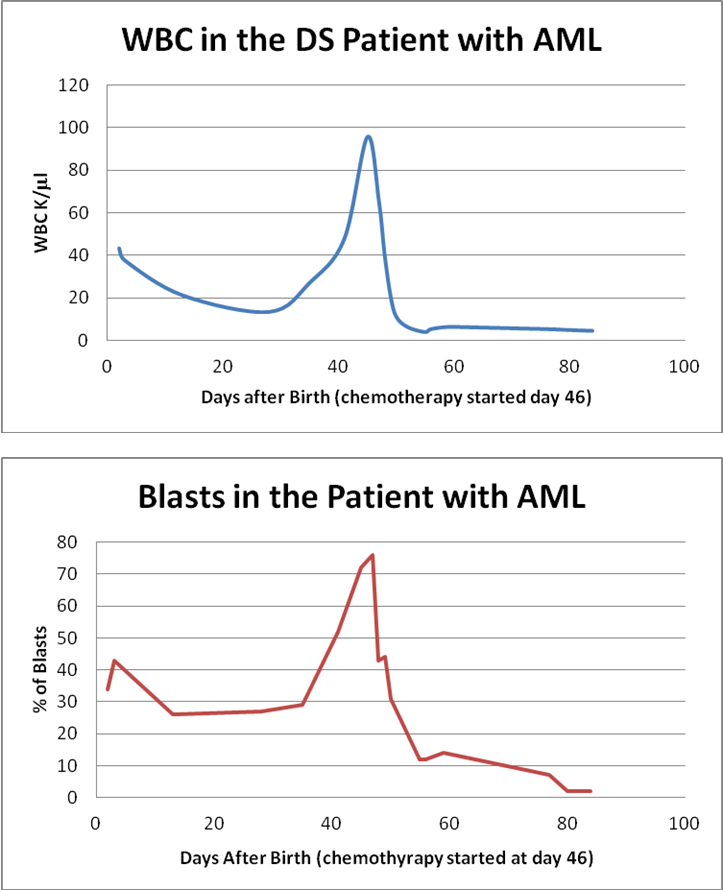 |
| Figure 2-1. The blasts in peripheral blood smear at day 45 of patient with DS | 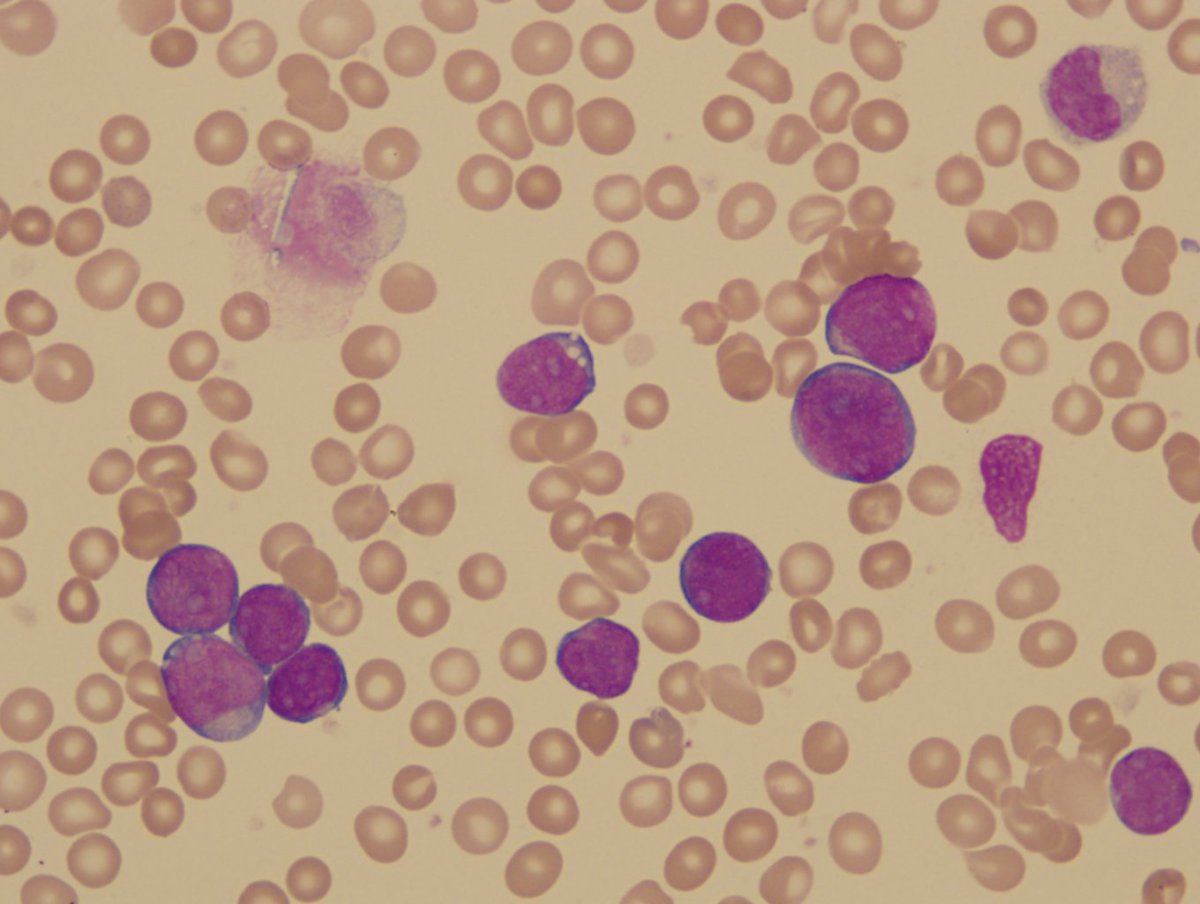 |
| Figure 2-2. The blasts in peripheral blood smear at day 45 of patient with DS | 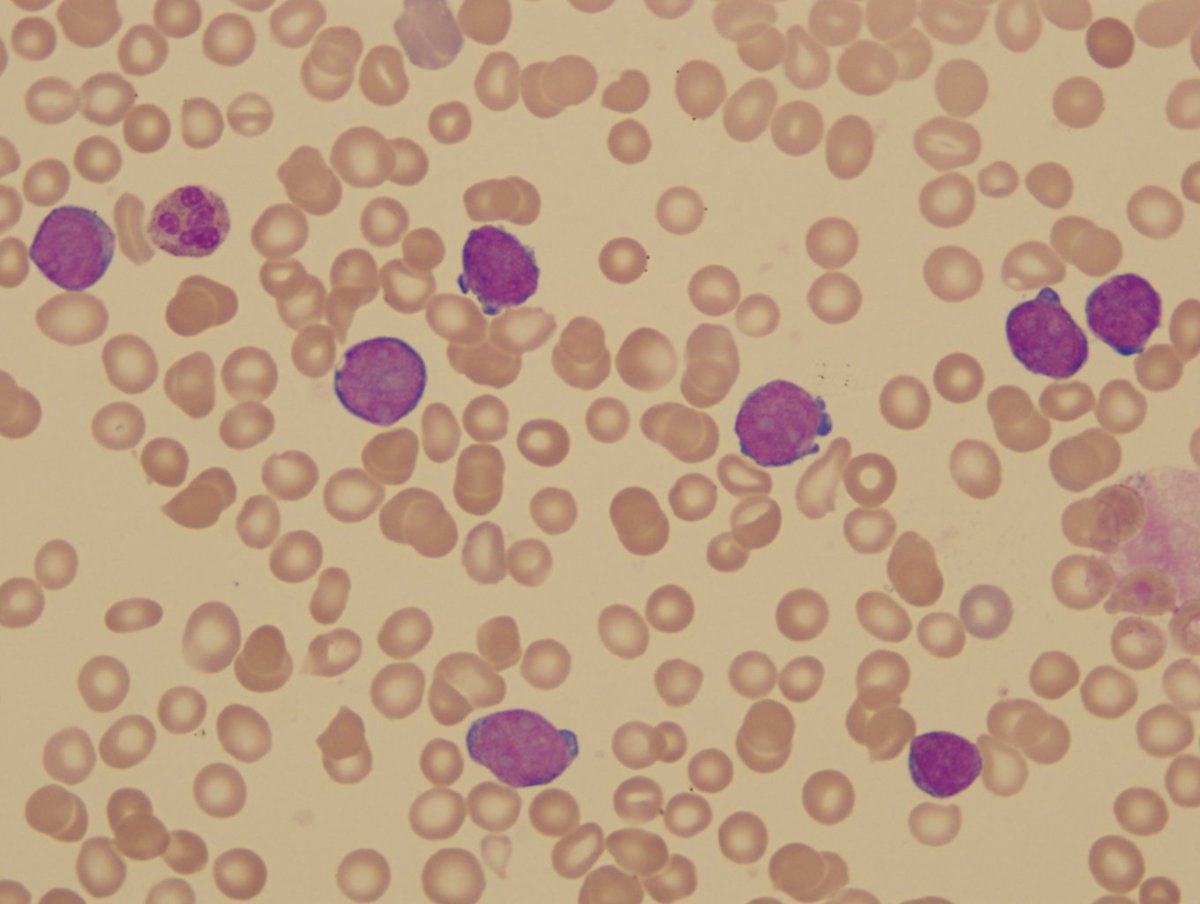 |
| Figure 2-3. The blasts in peripheral blood smear at day 45 of patient with DS | 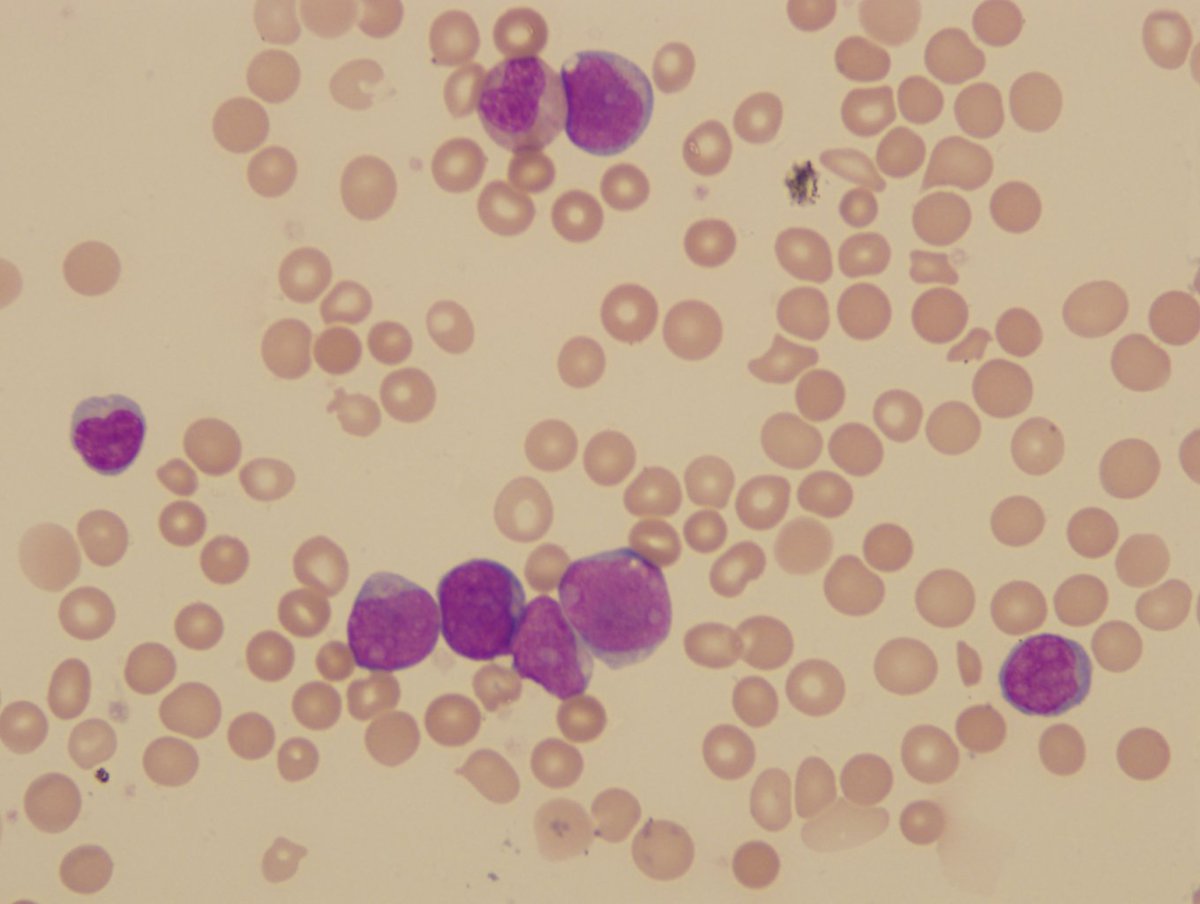 |
| Figure 3. The immunophenotypic features of the blasts with flow cytometry study. | 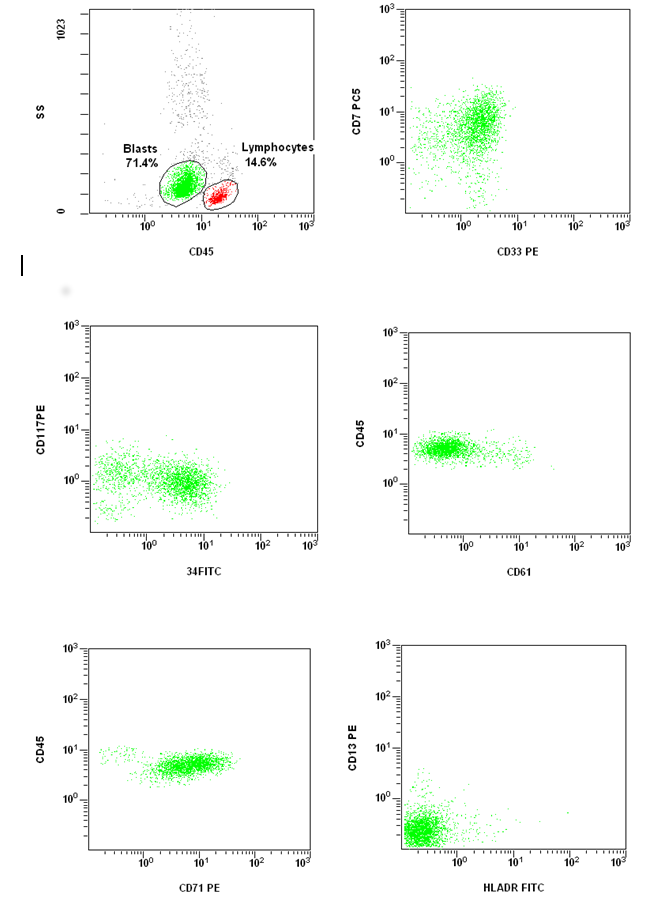 |
| Additional figure 1: Flow | 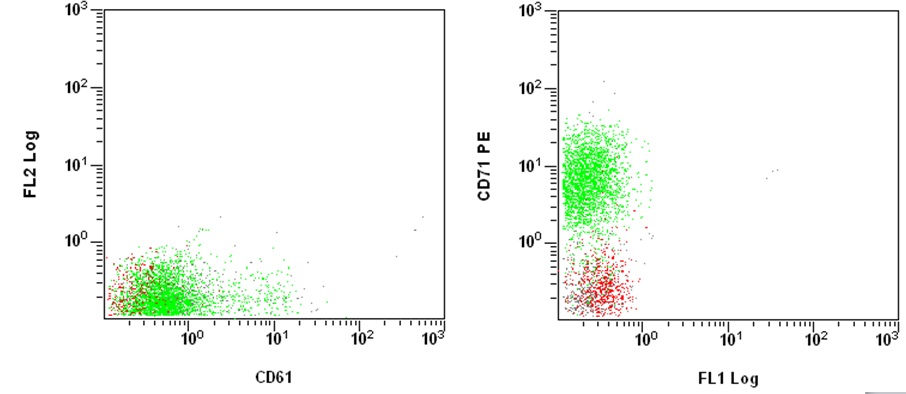 |