Institution: UT MD Anderson Cancer Center
Additional authors:Sa Wang
Session: Therapy-related myeloid neoplasms
HISTORY
52-year-old female (original ABO type: O positive) with a history of AML status post double cord stem cell transplant 2 years ago developed pancytopenia and increased blast in recent bone marrow biopsy
Chief complaint: none
Physical examination: unremarkable
Laboratory findings
H/H: 9.8/28, WBC:4.0, platelet 86
Donor information
Cord: 9809-9020-5
Sex: Female
ABO type: A pos
CMV: Non Reactive
Total nucleated cells: 210.0 x 10^7
Collection date(s): 9/10/09
Cord: SPUCBAR0025458
Sex: Female
ABO type: A pos
CMV: Unknown
Total nucleated cells: 144.0 x 10^7
Collection date(s): 2/28/07
DETAILS
Site: Left posterior iliac crest Microscopic pathology Smear: Increased blasts (12%), blasts are small to medium cells with moderate amount of cytoplasm. Some of the blasts contain azurophilic granules. No Auer rods are identified. Clot: 40% cellularity. Myeloid series show left-shifted with increase in immature forms
IMMUNOHISTOCHEMISTRY AND FLOW CYTOMETRY
CD34 on clot: positive (15~20% in clot section) Flow cytometry Slightly atypical myeloblasts are present, 4.8% of CD34+ cells, positive for CD34, CD33, CD13 increased, CD15 partial, CD38, CD4 dim, CD123 dim, and HLA-DR; negative for CD2, CD5, CD7, CD14, CD19, CD22, CD36, CD45, CD56, CD64, and CD117.
CYTOGENETIC FINDINGS
45,XX,-7[8]/47,XX,+1,add(1)(p12)[1]/47,XX,+mar?[1]/46,XX[10]
MOLECULAR FINDINGS
The post-transplant microsatellite polymorphisms pattern is identical to that of both donors pattern in which 79% of the pattern from MUD 9809-9020-5 and 21% of the pattern is from MUD SPUCBAR0025458. No chimerism is observed.
INTERESTING FEATURES
Donor cell leukemia (DCL) is a rare complication of stem cell transplantation. It was first described by Fialkow et al in 1971*. Donor cell leukemia following cord blood transplantation was first reported by Fraser et al in 2005**. Short tandem repeat (STR) or variable number tandem repeat (VNTR) analysis is commonly used for chimerism. With such technology, DCL might represent up to 5% of all post-transplant leukemia relapse compared to scattered case reports in the past. A pathologist evaluating bone marrow specimen from a patient with post-transplant leukemia “relapse” should be aware of DCL and initiate further study such as short tandem repeat (STR) analysis. *Fialkow et al. Lancet 1971;1:251-255 ** Fraser et al. Blood 2005;106:4377-4380
PROPOSED DIAGNOSIS
Cellular bone marrow (40%, based on limited clot) with 12% myeloid blasts, consistent with a STEM CELL NEOPLASM with donor origin
CONSENSUS DIAGNOSIS
Donor-derived myeloid neoplasm (12% blasts), following stem cell transplant
| Bone Marrow aspirate_1 | 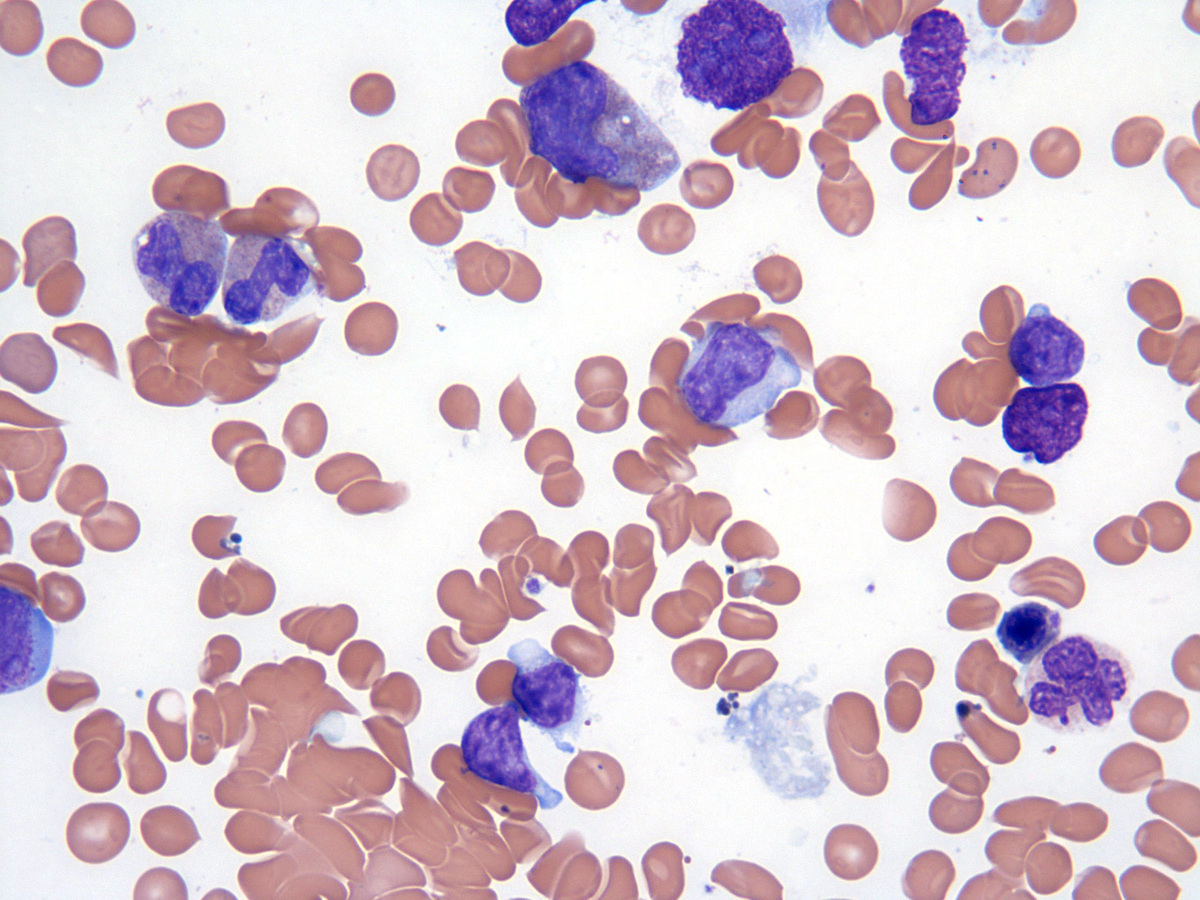 |
| Bone Marrow aspirate_2 | 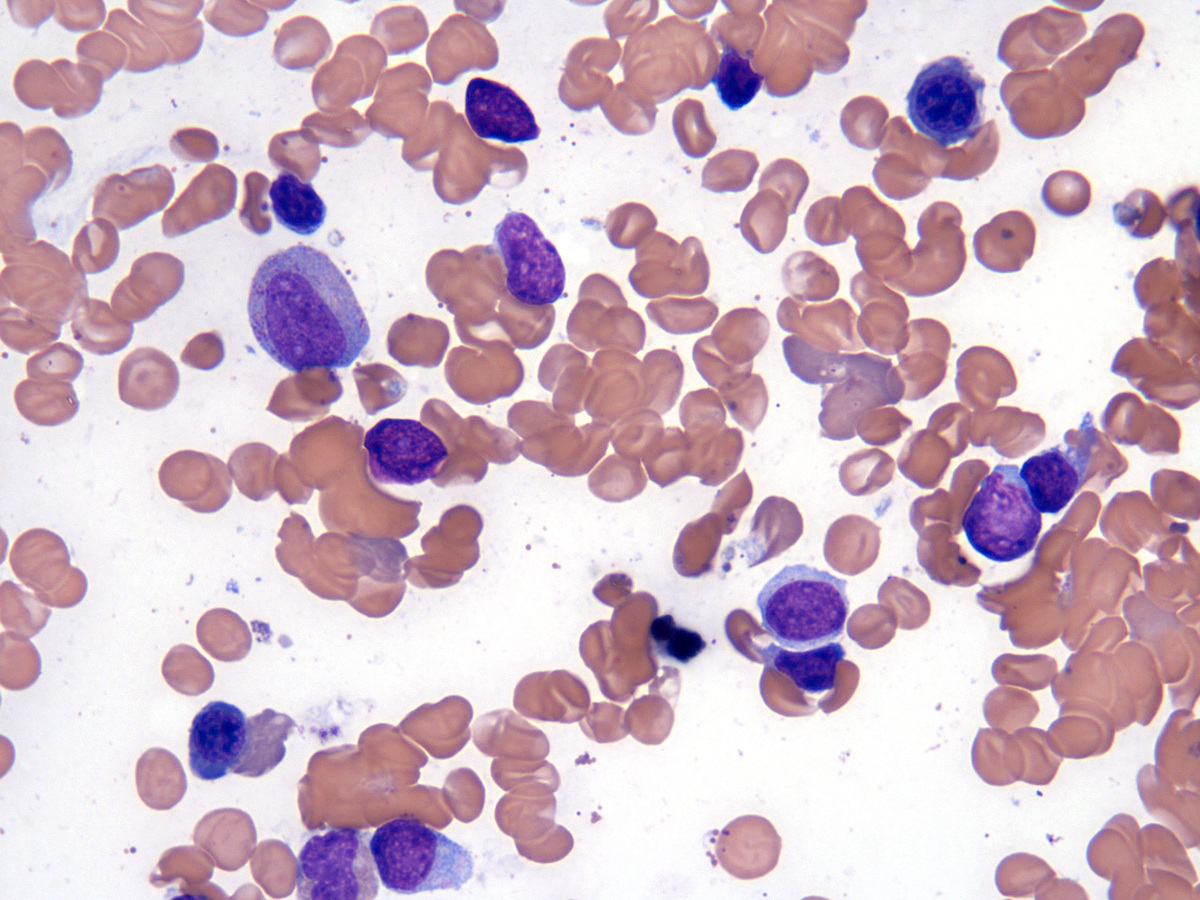 |
| Bone marrow aspirate_3 | 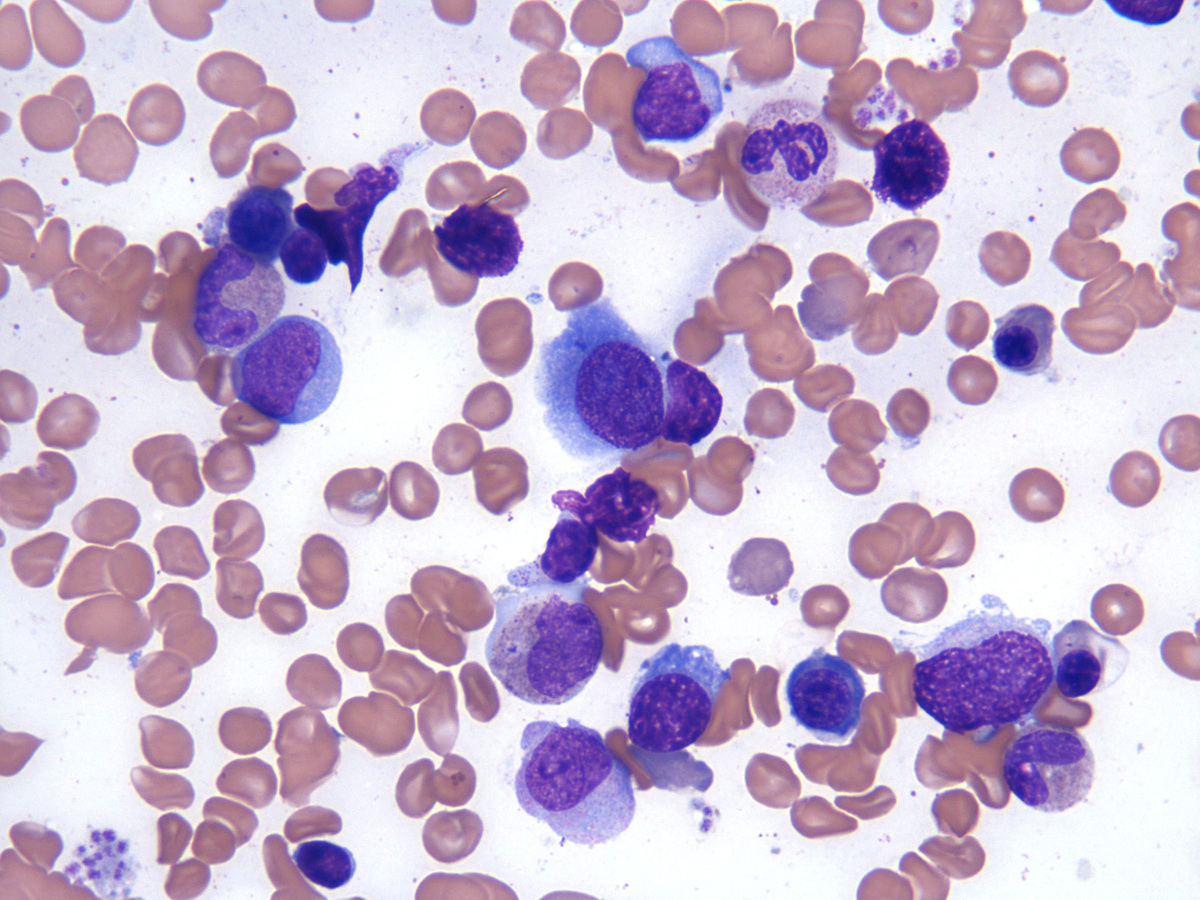 |
| Bone marrow aspirate_4 | 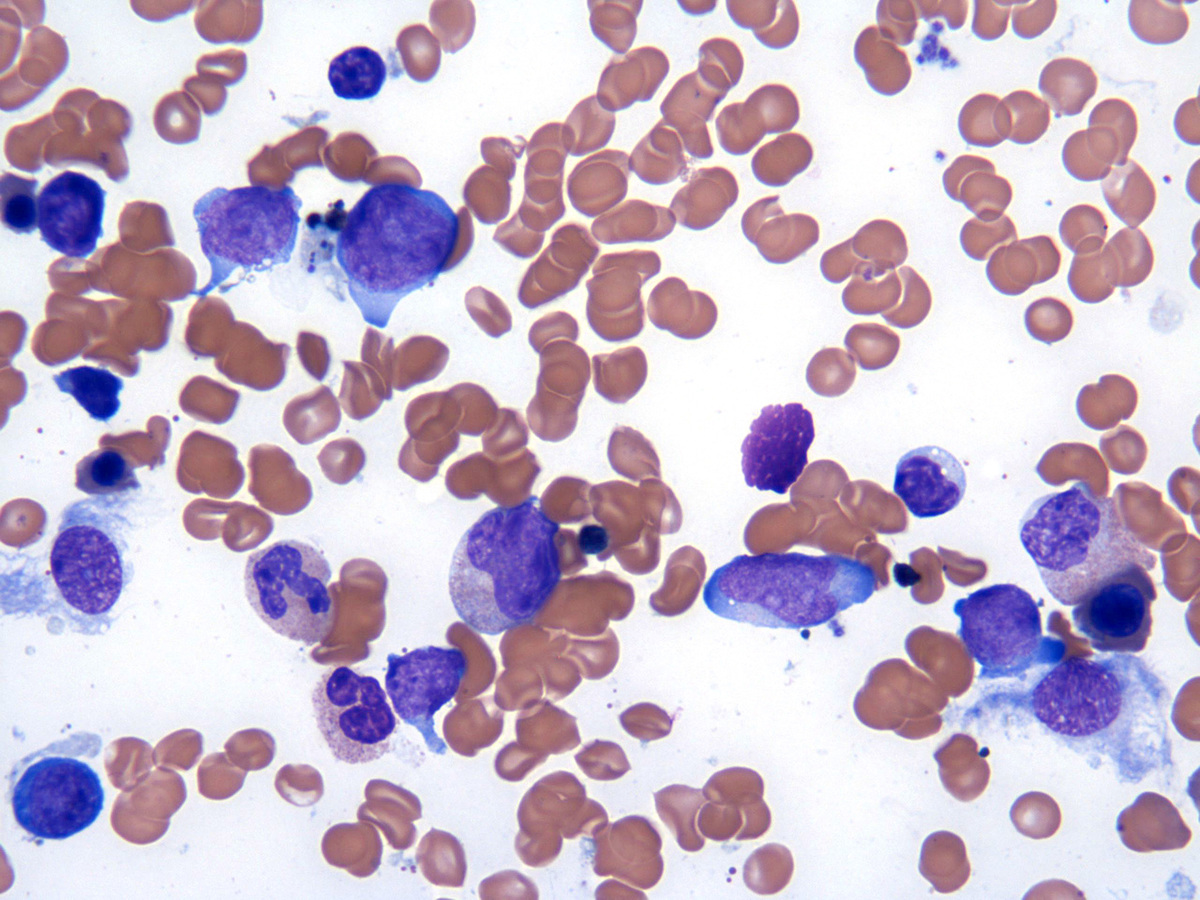 |
| Bone Marrow aspirate_5 | 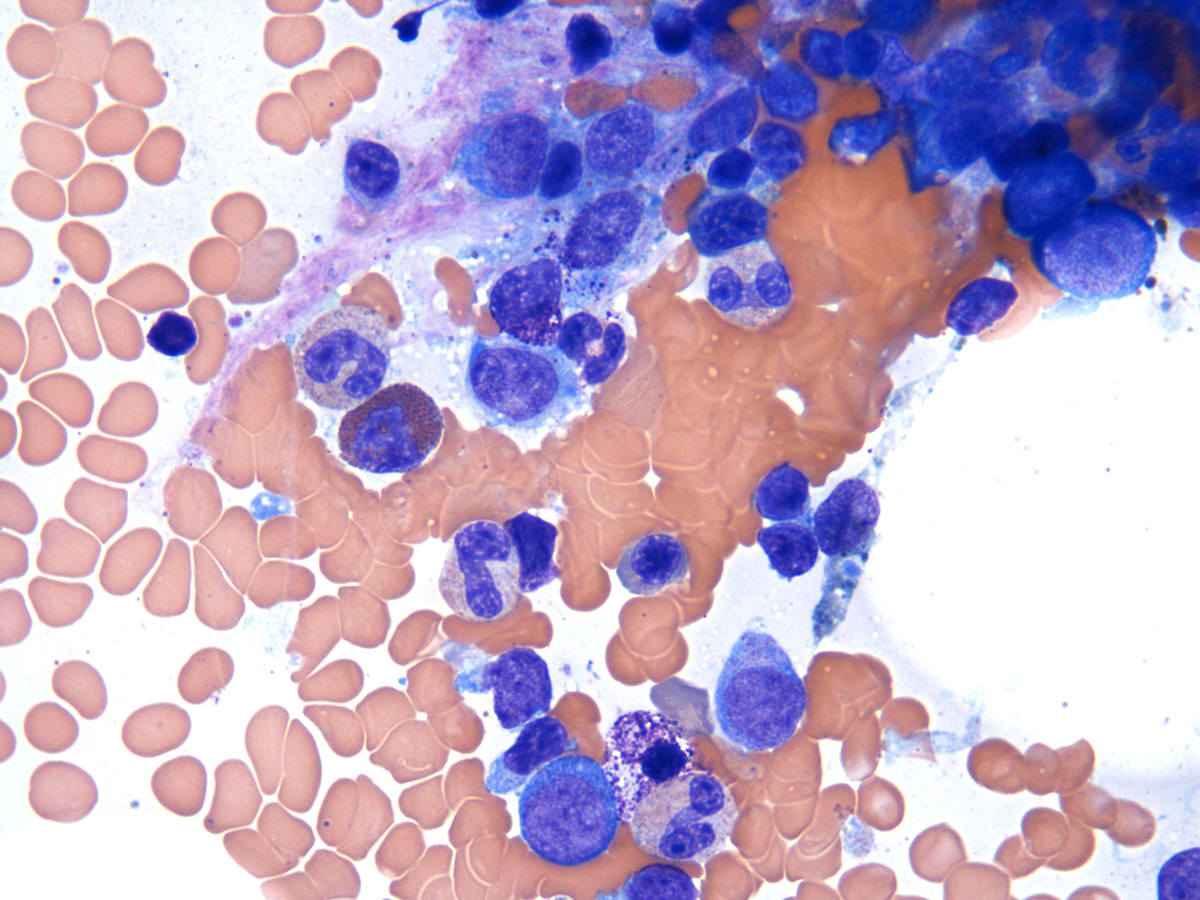 |
| Bone Marrow aspirate_6 | 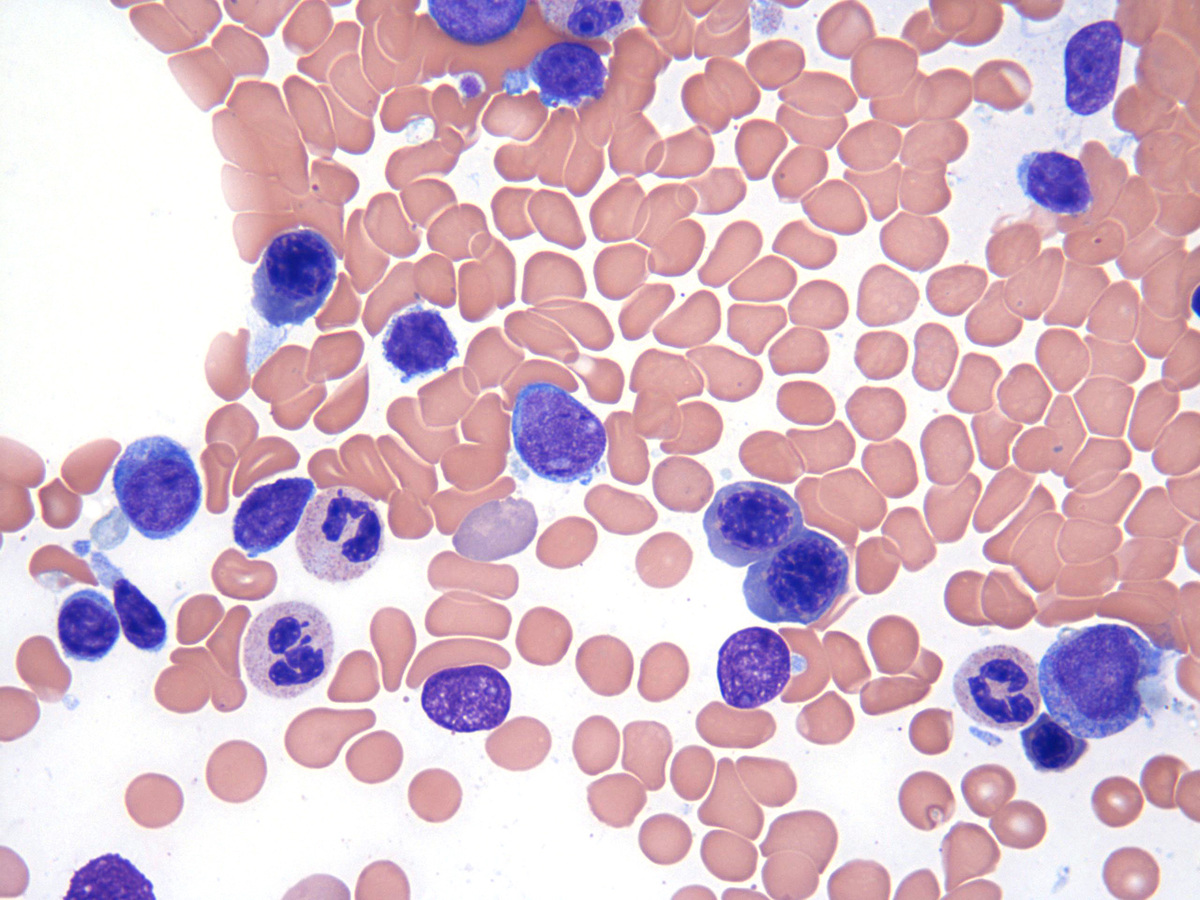 |
| Bone Marrow biopsy_1 | 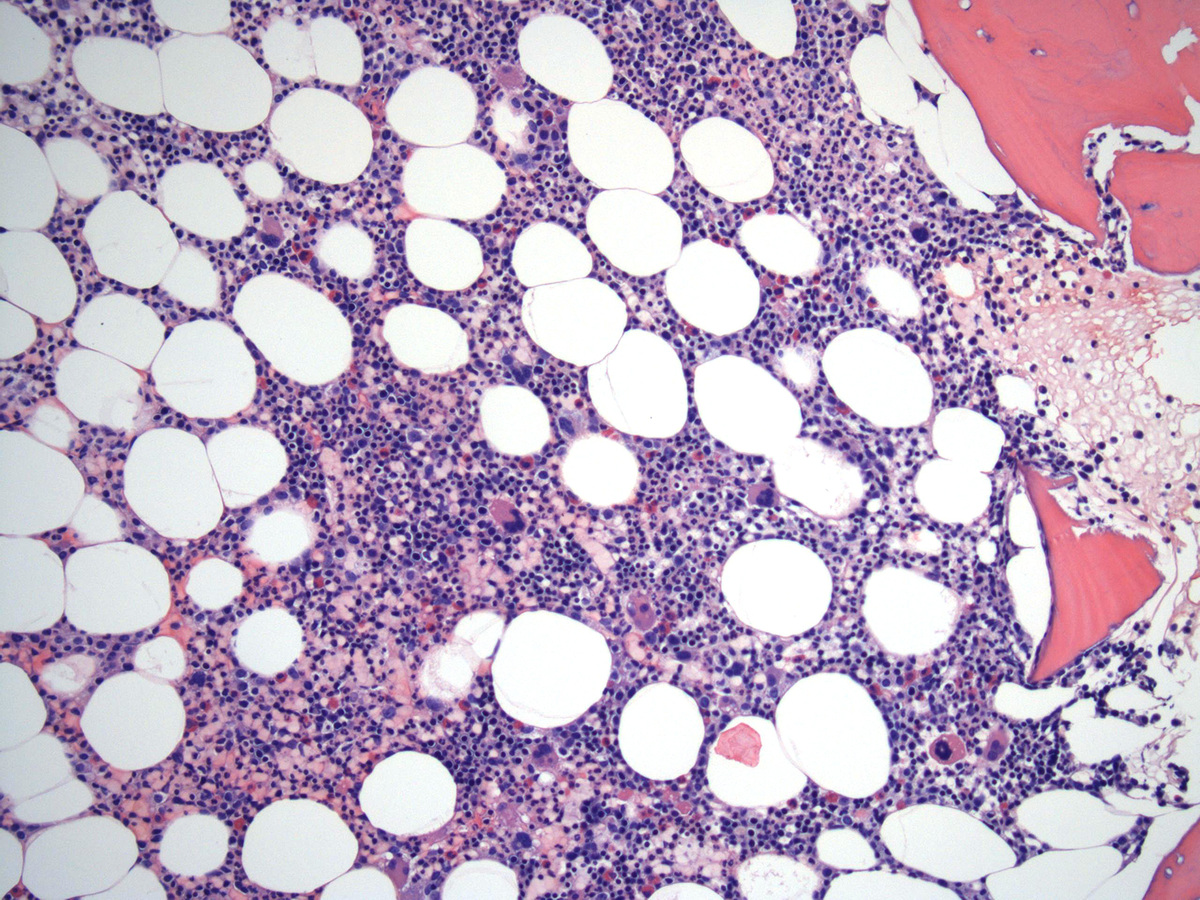 |
| Bone Marrow biopsy_2 | 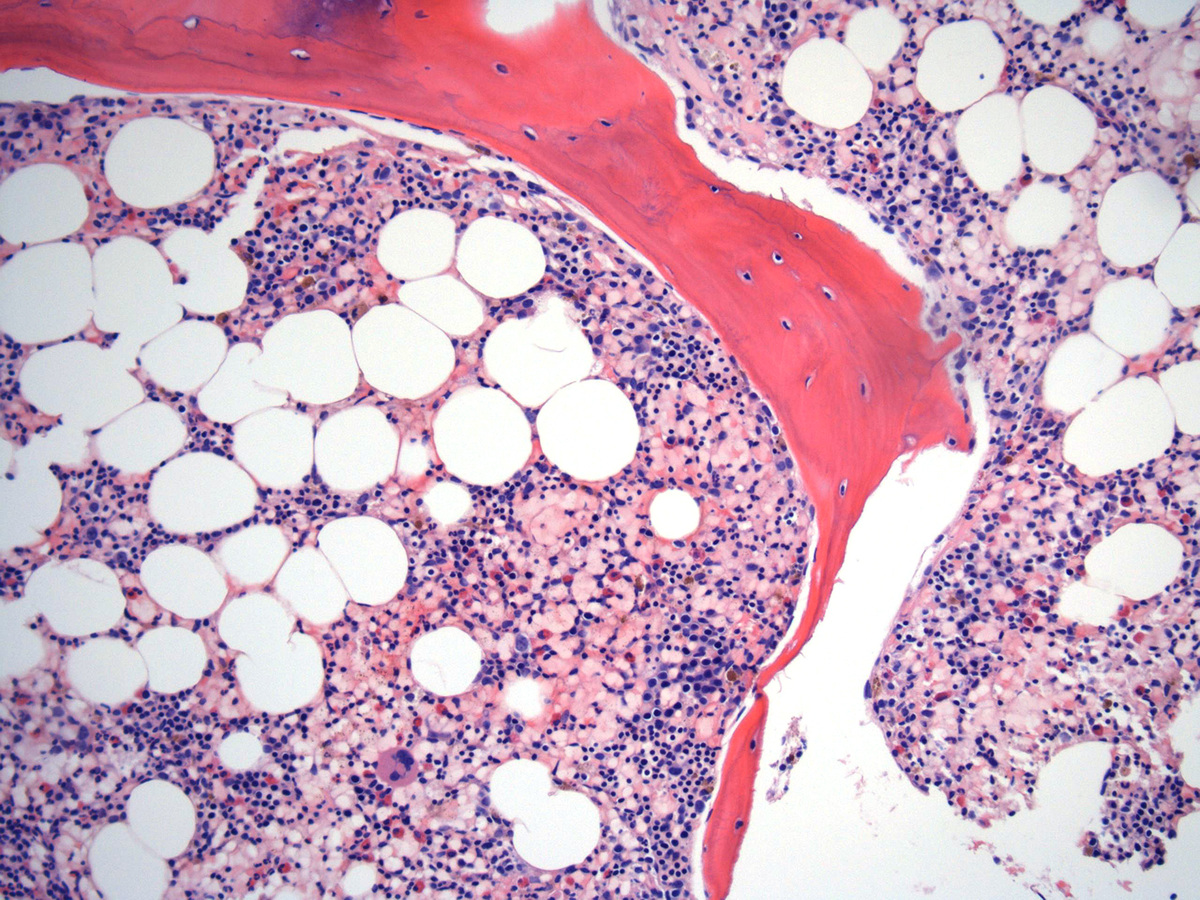 |
| Bone Marrow biopsy_3 | 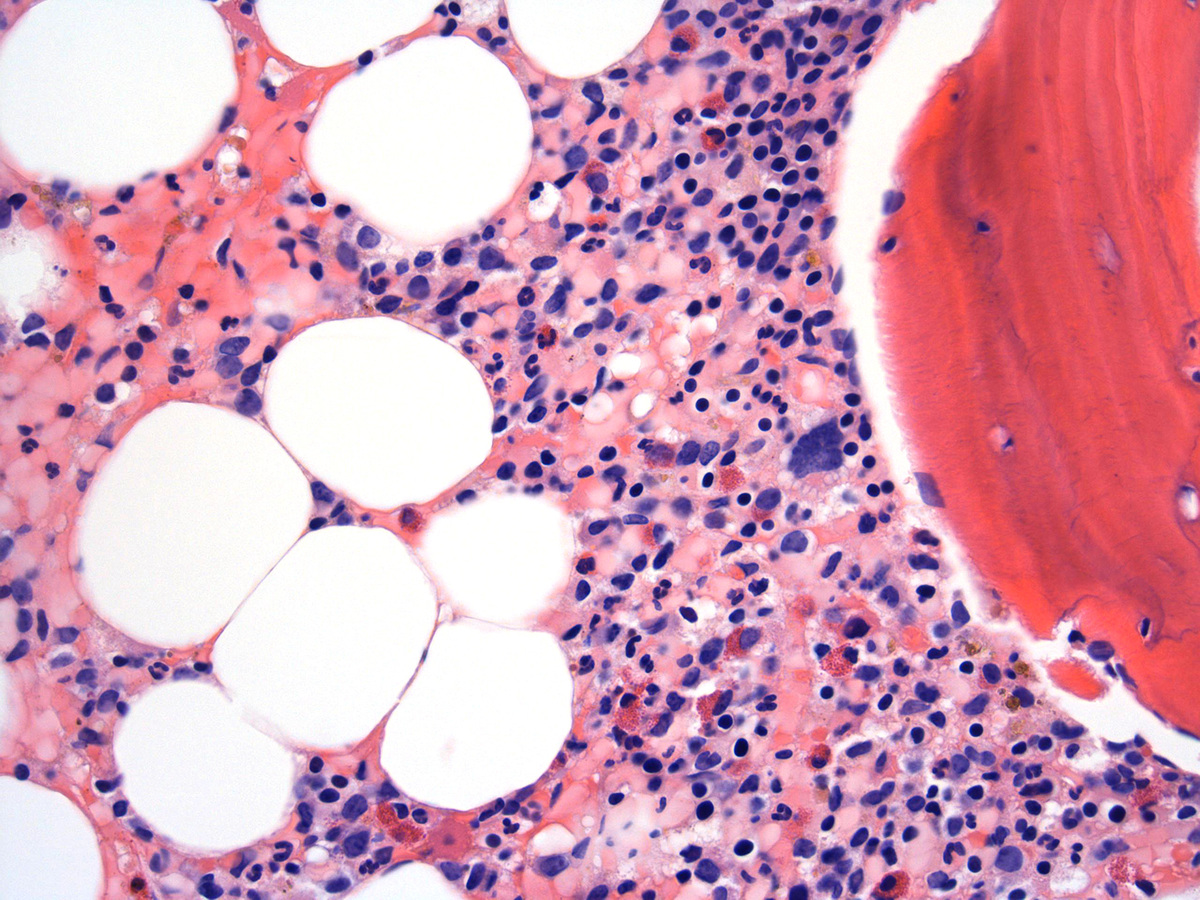 |
| CD34 stain | 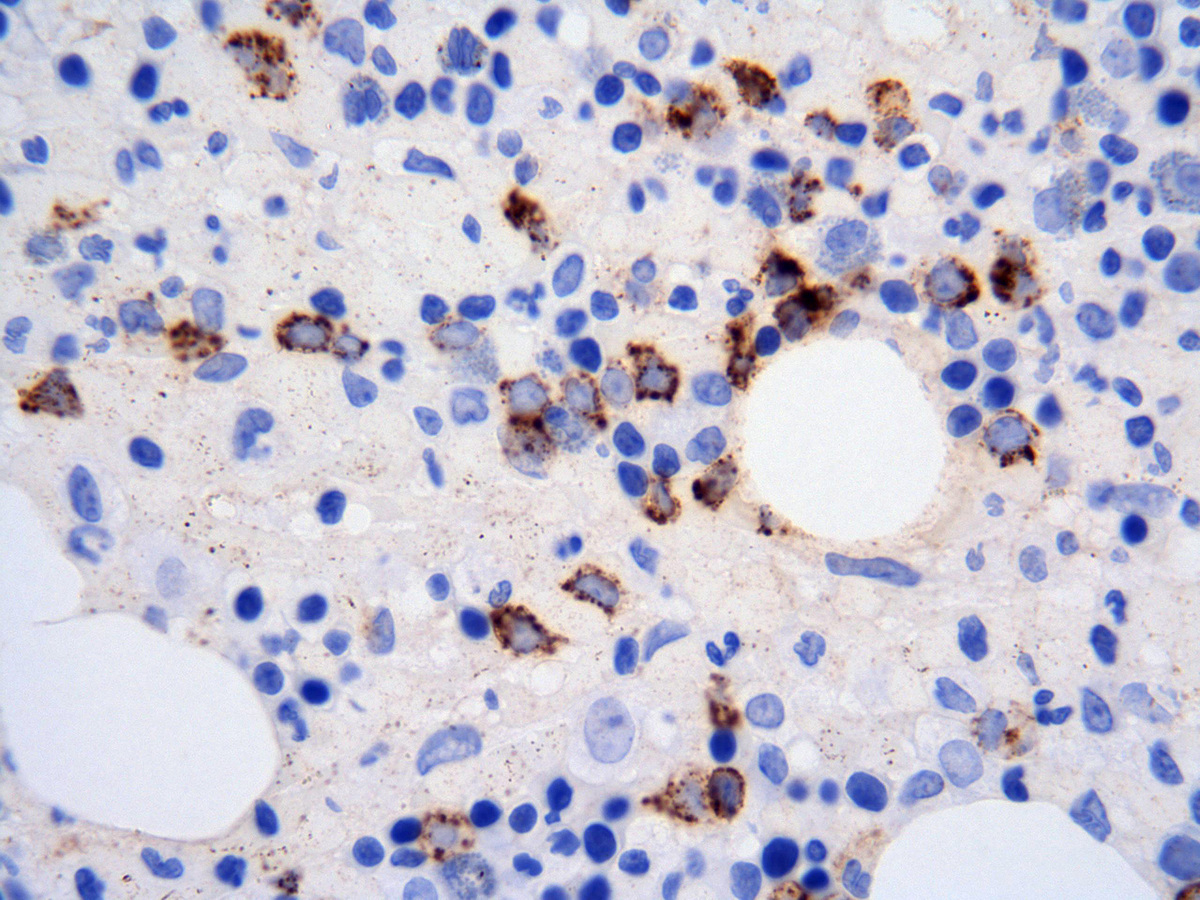 |
| Chimerism study_Pretransplant_Donor1_Donor2_Posttransplant | 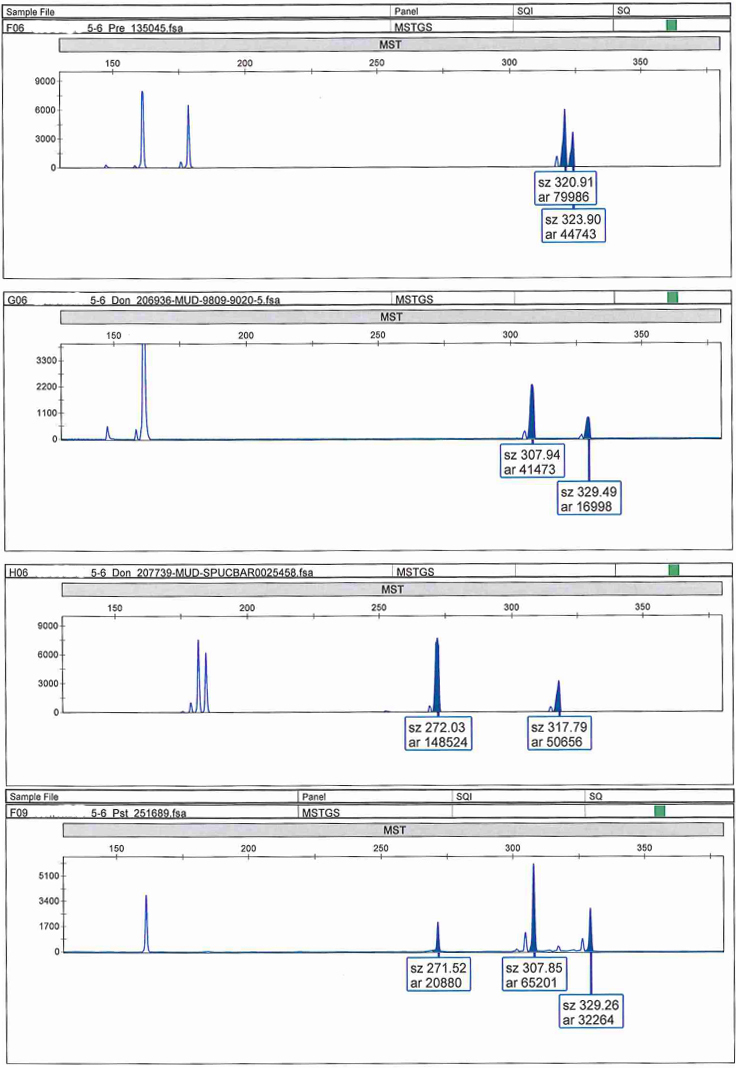 |